European Architectural Materials for Luxury Homes
Since 2000, Historic Decorative Materials has sourced exceptional European architectural materials through long-standing relationships with master craftsmen, family-owned workshops, and historic reclamation specialists. Our collections include antiqued French oak flooring, French limestone flooring, Belgian bluestone, reclaimed French terra cotta tiles, checkerboard flooring, hand-painted decorative tiles, reclaimed Belgian brick, French garden pottery, and artisan limestone sinks.
Each collection is selected for its authenticity, exceptional craftsmanship, and enduring architectural character. Rather than offering an endless selection of products, we present a carefully curated collection of Europe's finest natural materials for luxury homes, historic restorations, and timeless interiors.
Located in West Hatfield, Massachusetts, our private showroom offers personalized design consultations and video appointments where architects, designers, builders, and homeowners can experience these materials firsthand and discover how they work together to create homes inspired by the great country houses of France, Belgium, England, and Italy.
A small glimpse into the Pavé Tile, Wood & Stone Inc. Showroom
Our Heritage and Vision
Historic Decorative Materials was founded by François and Emmi Micallef, whose backgrounds in European architecture and fine art continue to shape the company's vision. Born and raised in the South of France, François personally travels throughout France, Belgium, England, and Italy to source exceptional French limestone, antiqued French oak flooring, reclaimed French terra cotta tiles, Belgian bluestone, and other historic architectural materials selected for their beauty, authenticity, durability, and craftsmanship.
Emmi Micallef, a classically trained fine artist, brings an artist's eye to every collection and created HDM's hand-painted decorative tile collections inspired by 17th-century Delft ceramics and the celebrated tiles of Monet's kitchen at Giverny. Together, they have assembled a distinctive collection of European architectural materials for luxury homes and historic restorations.
Their shared philosophy is simple: timeless homes begin with timeless materials. Every collection reflects a commitment to authentic craftsmanship, historic character, and the enduring beauty found in Europe's great country houses.
Explore Our European Architectural Collections
Antiqued Black & White Checkerboard Marble Flooring
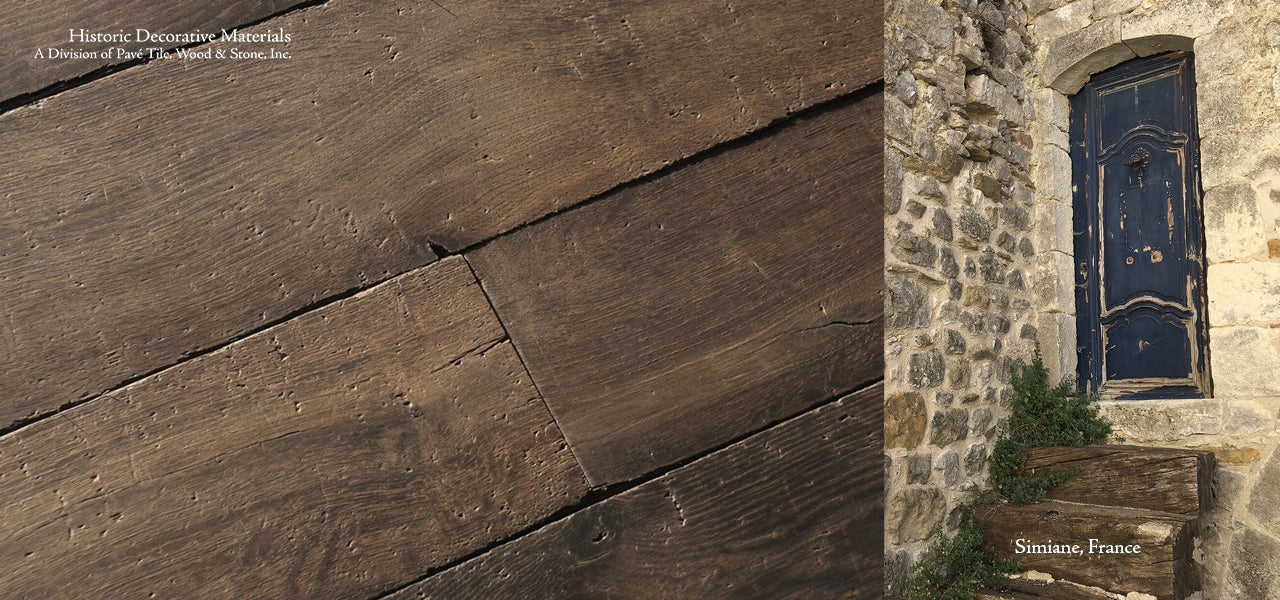
Reclaimed & Antiqued French Oak Flooring
Reclaimed and artisanally crafted French oak flooring inspired by the great houses of Europe, featuring wide planks, authentic aging, and timeless character for luxury homes and historic restorations.
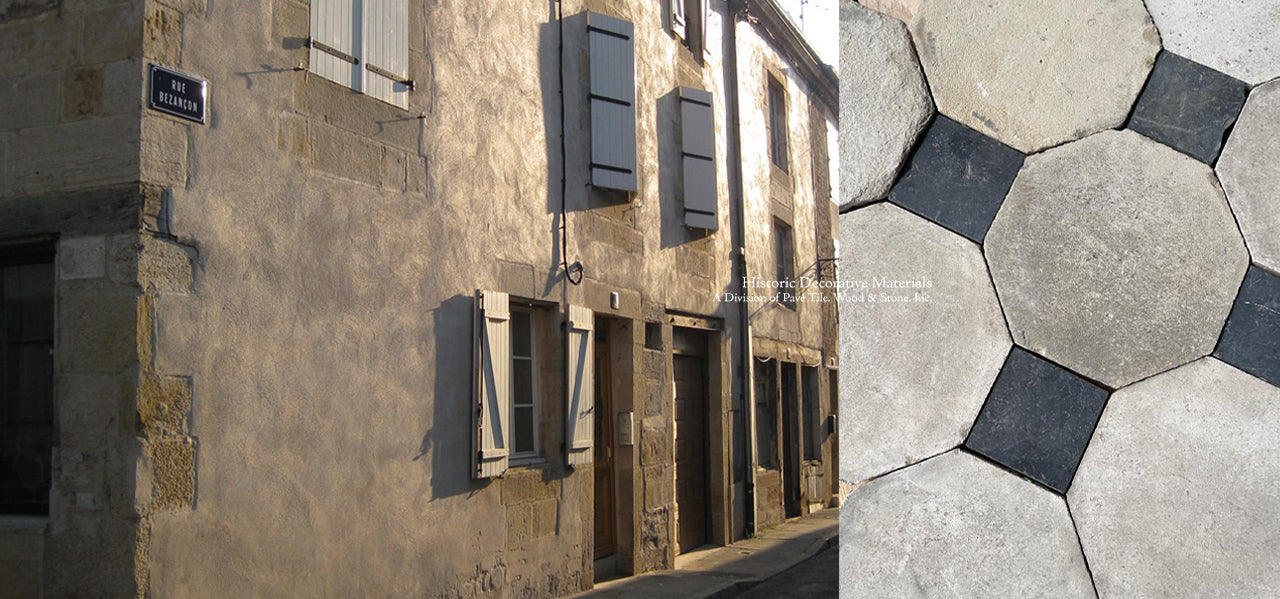
Antiqued & Reclaimed French Limestone Flooring
Antiqued French limestone flooring with rich fossilization, softened edges, and natural mineral character, selected for kitchens, great rooms, wine cellars, and timeless European interiors.
Reclaimed French Terra Cotta Tiles
Authentic reclaimed French terra cotta tiles salvaged from historic farmhouses and estates, offering warm earth tones, natural variation, and centuries of architectural character.
Checkerboard Flooring
Antiqued checkerboard flooring crafted from black and white marble or French limestone, inspired by the historic country houses, manors, and châteaux of Europe.
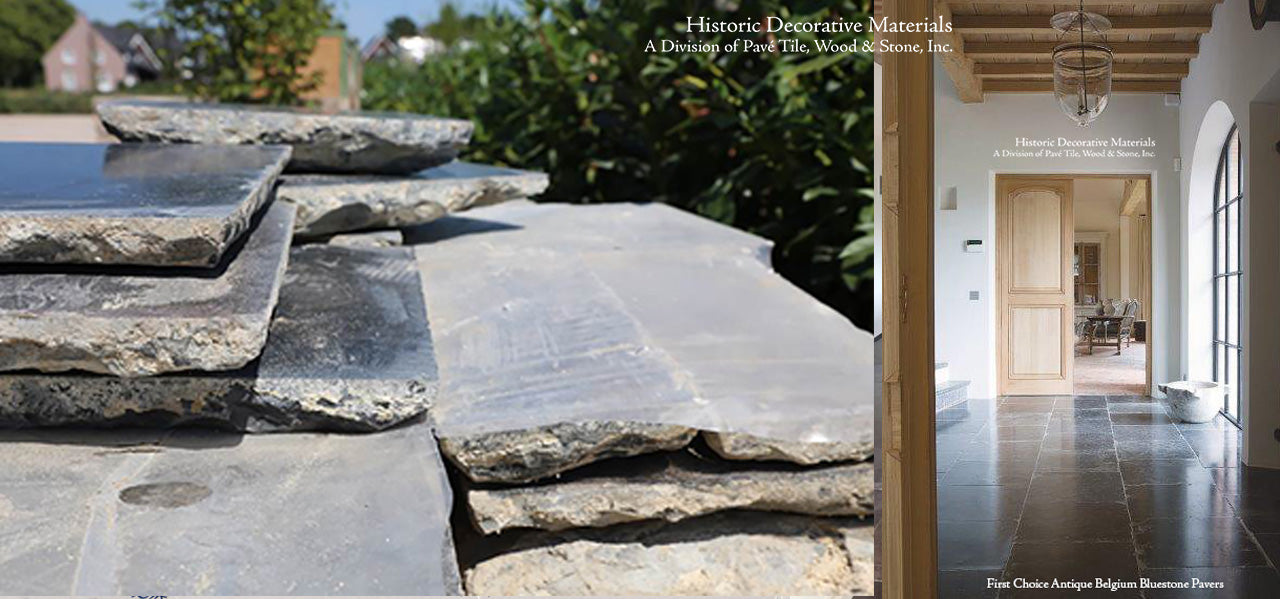
Belgian Bluestone Flooring
Authentic Belgian bluestone flooring distinguished by deep blue-gray tones, natural fossils, and exceptional durability, used for centuries throughout Europe's finest homes and public buildings.
Hand-Painted Decorative Wall Tiles
Hand-painted Delft, French, and Italian decorative ceramic wall tiles inspired by historic European artistry, individually crafted to bring timeless beauty to kitchens, baths, fireplaces, and architectural interiors.
Why Choose Historic Decorative Materials
Antiqued French Oak Floors - Parquet de Versailles Panels
Authenticity
We specialize in authentic reclaimed materials and artisanally crafted heritage reproductions sourced directly from Europe. Every collection reflects the character, craftsmanship, and enduring beauty of historic architectural surfaces.
Craftsmanship
Our collections are handcrafted by skilled European artisans using traditional techniques refined over generations. From French oak flooring and limestone to Belgian bluestone and decorative tile, every material is selected for exceptional quality and timeless design.
Sustainability
Reclaimed materials preserve architectural history while reducing waste and extending the life of natural stone, wood, and terra cotta. Thoughtful sourcing allows historic materials to continue serving new generations of homes.
Expertise
Since 2000, architects, designers, builders, and homeowners have trusted Historic Decorative Materials for carefully sourced European flooring, stone, and decorative materials. Our private showroom and personalized consultations help clients create homes inspired by the timeless architecture of France, Belgium, England, and Italy.
Trusted sources, long-term relationships and constant communication drive our business.
Antiqued French Limestone Flooring
Since 2000, Historic Decorative Materials has sourced exceptional European architectural materials through long-standing relationships with master craftsmen and family-owned producers. We specialize in antiqued French oak flooring, French limestone flooring, Belgian bluestone, reclaimed French terra cotta tiles, checkerboard flooring, hand-painted decorative tiles, reclaimed Belgian brick, French garden pottery, and artisan limestone sinks—each chosen for its authenticity, craftsmanship, and enduring architectural character.
We are intentionally selective. Every collection reflects the architectural traditions of France, Belgium, England, and Italy. Rather than offering hundreds of products, we present a refined collection of historic European materials that meet our uncompromising standards for quality, provenance, and timeless design.
Located in West Hatfield, Massachusetts, our private showroom offers private design consultations and video appointments where architects, designers, builders, and homeowners can experience our European flooring, stone, and decorative materials firsthand.
Whether restoring a historic estate or designing a new luxury residence, we help create homes inspired by the warmth, craftsmanship, and enduring beauty of Europe's great country houses.
Hand-Painted Delft Blue Ceramic Wall Tiles
Antiqued Delft Tiles — Original hand painted Delft tiles by co-founder, Emmi Micallef.
Inspired by the timeless beauty of 17th-century Dutch Delft pottery, our hand-painted Delft blue ceramic wall tiles are designed by co-founder Emmi Micallef and handcrafted in our Massachusetts studio. Featuring original blue and white motifs, antiqued finishes, and the character of historic European ceramics, each Delft tile brings enduring artistry and architectural distinction to kitchens, baths, fireplaces, and luxury interiors. Explore the Delft Collection →
View Collection
The Architecture of Europe’s Great Country Houses
What Defines a Great European Country House?
Across France, England, Belgium, and much of Western Europe, the finest country houses share a common architectural philosophy. They are not defined by a single style or decorative period, but by the thoughtful use of natural materials, regional craftsmanship, and a deep respect for permanence.
Whether nestled among the vineyards of Provence, overlooking the rolling countryside of the Cotswolds, or standing quietly within the villages of Wallonia, these homes were built from materials gathered close to the land. Limestone, Belgian bluestone, oak, hand-fired terra cotta, brick, lime plaster, timber beams, and wrought iron combined to create architecture that belonged naturally to its surroundings.
Although each country developed its own distinctive character, they all embraced the same enduring principles. Materials were selected for longevity rather than fashion. Buildings evolved gradually over generations. Gardens became extensions of the home, while craftsmanship remained visible in every carved stone, timber beam, and handmade detail.
Perhaps this explains why Europe’s great country houses continue to inspire architects and homeowners around the world. Their beauty is rooted not in decoration, but in authenticity.
Why Are Natural Materials the Foundation of European Architecture?
Throughout Europe, architecture has always been shaped by the materials available within the surrounding landscape. Rather than importing artificial products, builders relied upon limestone, oak, clay, slate, brick, bluestone, lime, and timber to create homes capable of enduring for centuries.
Each material contributed something unique. Limestone introduced permanence and quiet elegance. Oak brought warmth and structural strength. Belgian bluestone offered understated refinement, while hand-fired terra cotta softened interiors with rich natural color. Lime plaster, reclaimed brick, and handcrafted ceramics completed buildings whose beauty emerged from honest craftsmanship rather than ornamentation.
These natural materials also possess another remarkable quality. They mature gracefully. Stone develops patina, oak deepens in color, terra cotta softens through generations of use, and metals acquire finishes that cannot be manufactured artificially.
This quiet evolution explains why Europe’s historic homes continue to feel welcoming centuries after they were first constructed. Their beauty grows richer because their materials were chosen to age naturally.
How Do French, English, and Belgian Country Houses Differ?
Although they share many architectural principles, the country houses of France, England, and Belgium each express their own regional identity through materials, proportion, and landscape.
French country houses often emphasize limestone, terra cotta, lime plaster, shuttered windows, and sun-filled courtyards that reflect the warmth of the surrounding countryside. Their interiors balance elegance with relaxed simplicity, allowing natural materials to remain the primary architectural expression.
English country houses are frequently characterized by limestone, brick, oak, slate, paneled rooms, libraries, conservatories, and carefully designed gardens. Their architecture conveys quiet refinement through proportion, craftsmanship, and layered interiors that have evolved over centuries.
Belgian country houses occupy a unique position between these traditions. Belgian bluestone, reclaimed brick, heavy oak beams, lime plaster, and restrained architectural detailing create homes distinguished by remarkable simplicity, warmth, and permanence. Their understated beauty has become increasingly admired by architects seeking timeless design.
Despite these regional differences, every great European country house demonstrates the same enduring philosophy: authentic materials, thoughtful craftsmanship, and architecture designed to improve through time.
What Flooring Is Traditionally Found in European Country Houses?
Throughout Europe, flooring has always reflected both regional geology and local craftsmanship. Rather than selecting materials according to changing fashions, builders chose stone, wood, and clay capable of serving generations while becoming more beautiful with age.
French country houses frequently incorporated limestone, reclaimed terra cotta, and wide-plank oak flooring. English manor houses often featured limestone, oak, checkerboard floors, and stone entrance halls that emphasized architectural proportion. Belgian homes became closely associated with Belgian bluestone, reclaimed brick, and substantial oak floors whose restrained beauty reflected the character of the surrounding landscape.
Checkerboard flooring appeared throughout all three traditions, interpreted differently according to regional materials. Limestone, marble, Belgian bluestone, and other natural stones created timeless geometric floors that continue to inspire architects today.
Although the materials varied, every great European floor shared one essential characteristic: it became more beautiful through generations of daily life.
Why Does Patina Matter in Historic European Homes?
One of the defining characteristics of Europe’s great country houses is that they celebrate the passage of time rather than attempting to conceal it. Natural materials gradually acquire subtle evidence of everyday living that enriches the architecture while preserving its authenticity.
Stone develops softened edges and gentle tonal variation. Oak acquires warmth and depth. Terra cotta becomes richer beneath generations of footsteps, while Belgian bluestone reveals the quiet maturity that has distinguished historic European architecture for centuries. Handcrafted pottery, lime plaster, wrought iron, and natural brass all participate in this gradual evolution.
These changes should never be viewed as imperfections. Instead, they represent the honest relationship between architecture and the people who inhabit it. Every mark reflects a home that has been lived in, cared for, and appreciated through time.
Perhaps this is why Europe’s historic country houses continue to captivate us today. Their beauty is not frozen in a single moment. It grows naturally, allowing craftsmanship, materials, and history to become inseparable.
Historic Decorative Materials, a Division of Pavé Tile, Wood & Stone, Inc. Showroom
By-appointment European designer showroom and trusted e-commerce source — pavehdm.com—for reclaimed French oak floors, aged limestone tiles, Belgian bluestone, checkerboard flooring, French reclaimed terra cotta and Delft tiles. Closer than Europe, a highly-vetted collection where art and design play a central role in creating elevated, luxury and historic interiors.